.png)
Art And Design
BDS Art and Design curriculum aims to provide every student with the opportunity to develop a keen perception in observing and analysing the world around them, cultivating an inquiring mind and a spirit of experimentation through meaningful art-making experiences, while nurturing an informed appreciation of art and design as a way of seeing, thinking and expressing.
Introduction
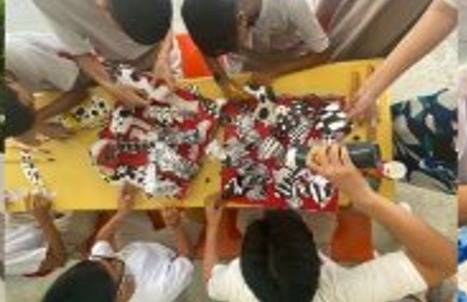
In BDS, students engage with the concepts of artists, artworks and audience. Art practice involves experiences, practical and critical thinking, conceptual and spatial inquiry and the analysis of artworks from a range of viewpoints as artists and audience. Students make individual and collaborative artworks that communicate their artistic intentions and use skills of observation, interpretation and analysis to critically evaluate their own and others’ artworks.
The BDS D&T Experience
1. Student Outcomes
Students will acquire and develop the knowledge, skills, values and dispositions that will allow them to:
(1) Express their artistic intent with confidence, using visual language as a means of communicating personal ideas, emotions and perspectives.
(2) Engage in critical, adaptive and inventive thinking to develop, produce and evaluate creative resolutions that respond meaningfully to artistic challenges.
(3) Explore and articulate their personal voice through art-making, reflecting on their own experiences and identities in relation to others and the wider world.
(4) Examine and appreciate diverse social and cultural perspectives, developing respect and sensitivity towards the role of art across different communities and contexts.
2. Pedagogical Approach
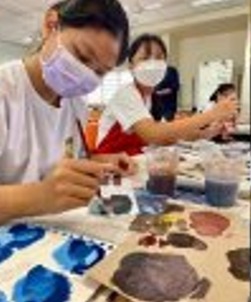
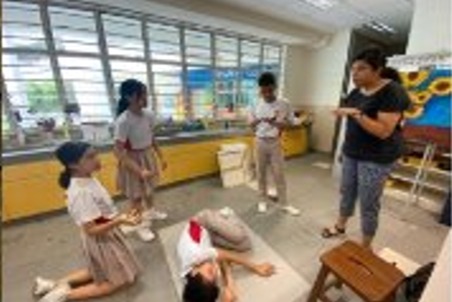
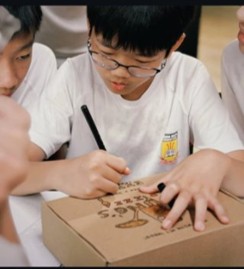
Inquiry-based learning is a key pedagogical approach applied in the BDS Art programme to stimulate students’ curiosity, engagement and agency. Though differentiated instruction, BDS Art programme caters to the diverse needs and abilities of students by providing choices and flexibility throughout their art making projects.
3. Department Programmes and Achievements. (Beyond the Classroom):
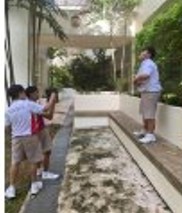
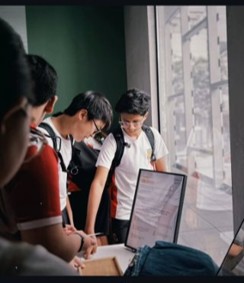
Students are also given opportunities to visit art museums and public art sites to provide them with real-world exposure to the art scene, making learning authentic and relevant.


Tips for Parents
To enjoy learning Art, it is important for you to encourage your child to:
Embrace creativity and not be afraid to experiment with new ideas
Practise sketching and communicating their ideas visually, both on paper and digitally
Take ownership of their learning by exploring topics beyond what is taught in class.