.png)
Design & Technology
BDS D&T curriculum aims to provide every student with the opportunity to explore and deepen their enthusiasm for design thinking and hands-on making through creative projects and real-world problem solving, while developing values, craftsmanship and innovative thinking relevant to Design and Technology as a way of imagining and doing.
Introduction
Design and Technology, often referred to as D&T, is a multifaceted, whole-brain approach that encourages students to use their imagination, design thinking, and technical skills to create practical solutions to ill-defined real-world problems. It is a blend of creativity, aesthetics, engineering, and craftsmanship, making it a subject that appeals to a wide range of students.
The BDS D&T Experience
Through experiential learning and meaningful project work, students grow into confident, self-directed and reflective learners who can identify problems, generate ideas and bring their designs to life. By reflecting on their work, they develop a deeper awareness of their strengths and areas for improvement, empowering them to continuously refine their craft both in and beyond the classroom.
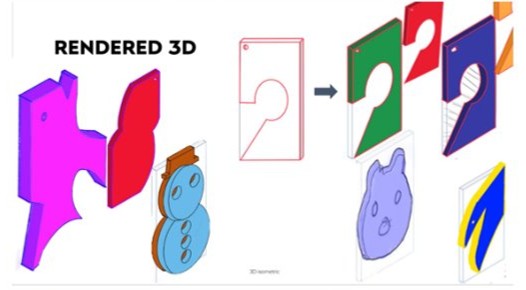
In the upper secondary years, students can continue their journey with Design and Technology (D&T) as an elective subject, allowing them to work on projects in their areas of interest. This phase delves deeper into the subject, allowing students to gain practical experience and develop soft skills. In Secondary 3 and 4/5, students can work on real-world projects, design thinking, project-driven knowledge and skills, 3D manipulation, taking ownership of learning, and sustainability.
The BDS D&T Approach
1. Student Outcomes
Students will acquire and develop the knowledge, skills, values and dispositions that will allow them to:
Explore and analyse real-world problems to uncover meaningful design opportunities and define solutions to ill-defined challenges.
Embrace the complexities and uncertainties of the design process, considering the social and human dimensions that shape good design.
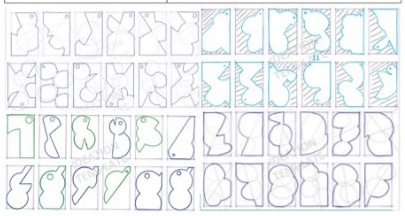
Express creative thinking through doodling, sketching and drawing as a natural way of visualising and communicating design ideas.
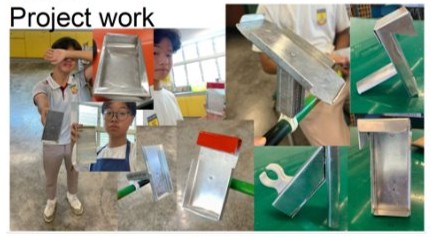
Experiment, test and refine ideas by building prototypes using appropriate materials, tools and processes with care and craftsmanship.
Exercise sound judgement and make informed, evidence-based decisions that balance technological, aesthetic and economic considerations.
2. Pedagogical Approach
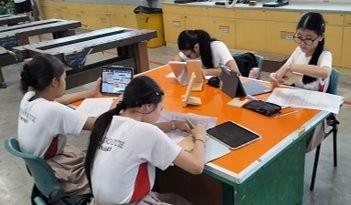
One important pedagogical strategy used in the BDS D&T programme to encourage students’ curiosity, involvement, and agency is experiential learning. The BDS D&T programme offers choices and flexibility throughout their design and make projects to accommodate students with varying needs and skills through differentiated instruction.
3. Department Programmes and Achievements(Beyond the Classroom)
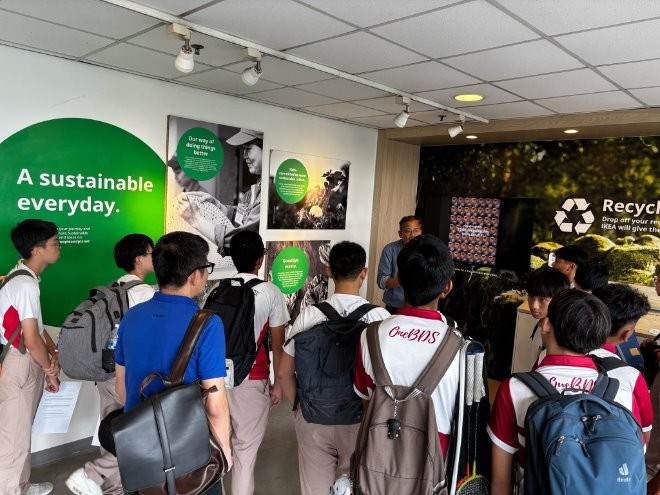
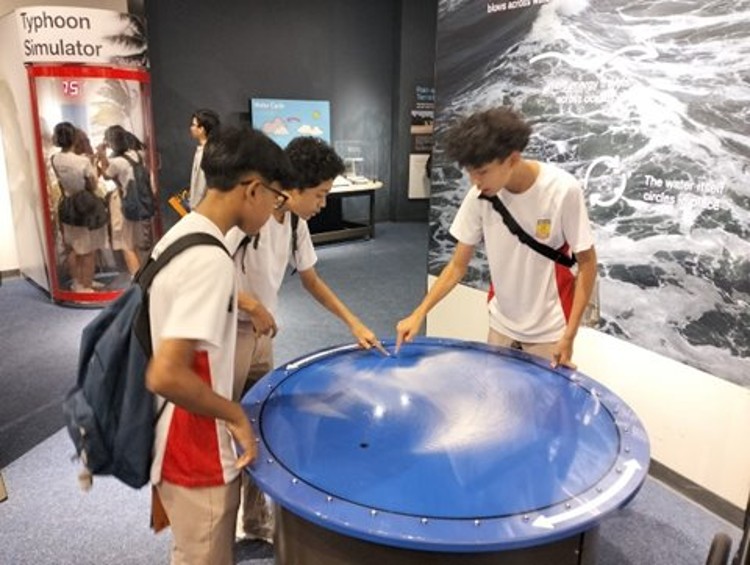
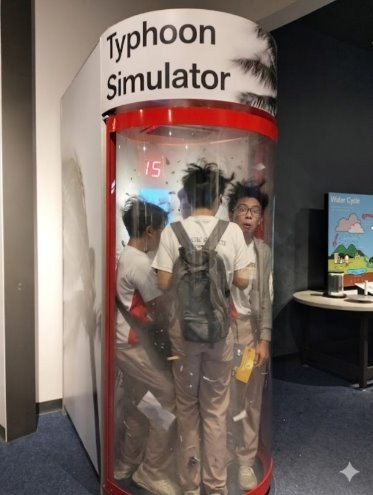
An experiential learning session through Learning journey, stepping beyond the classroom to engage with science and technology in a hands-on way.
Tips for Parents:
To enjoy learning Design & Technology, it is important for you to encourage your child to:
Embrace creativity and not be afraid to experiment with new ideas
Practise sketching and communicating their ideas visually, both on paper and digitally
Be hands-on — try building simple mock-ups to test ideas before committing to a final design
Take ownership of their learning by exploring topics beyond what is taught in class.