.png)
Music
In the BDS music programme, students listen to, compose, and perform music across diverse styles and traditions. Combining critical analysis with aurally based practice, they acquire musical knowledge to deeply understand music and musicians.
Introduction
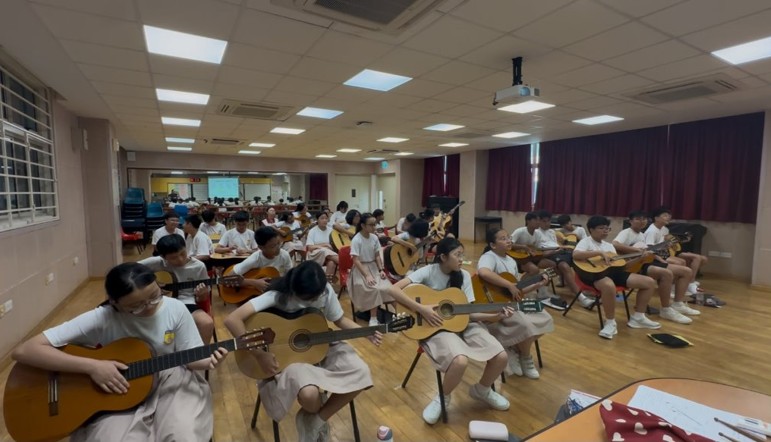
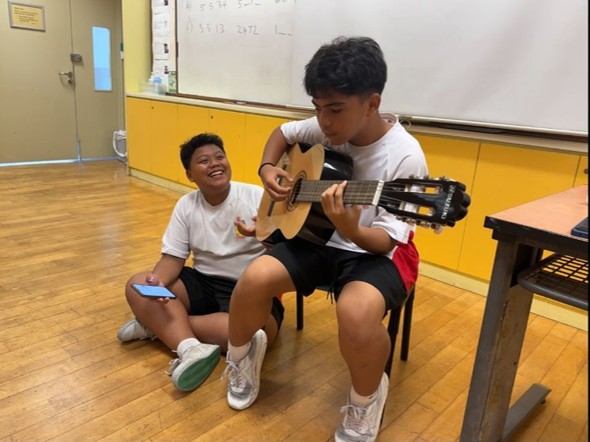
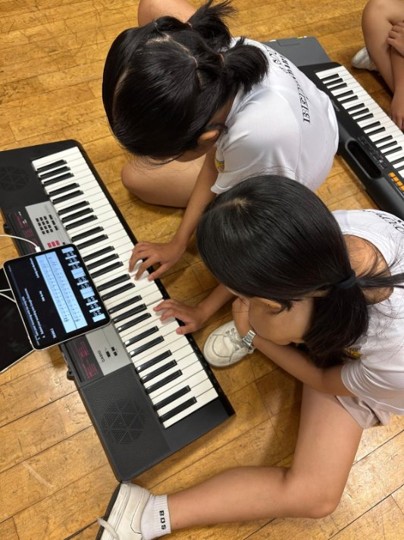
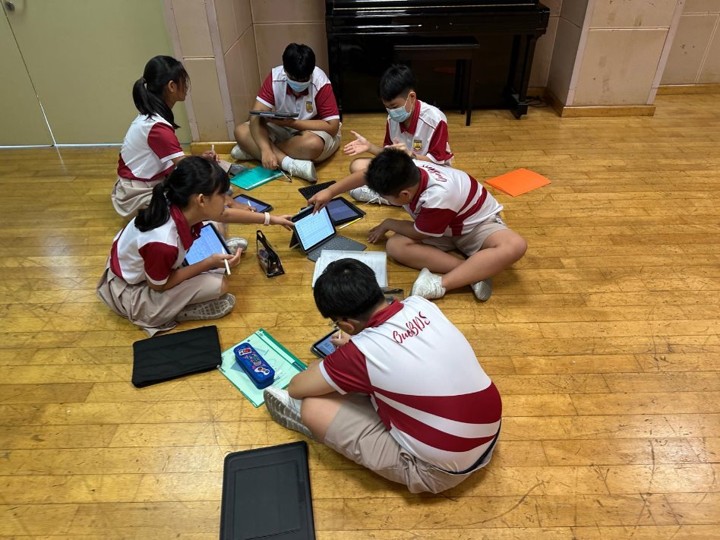
BDS Music Programme is conducted throughout the year for all lower secondary students. Students acquire basic instrument skills in electronic music keyboards and guitar in order to develop their interests and passion. Students are also exposed to specialised music software to add relevance to their learning in today’s increasingly digital world.
The BDS Music Experience
1. Student Outcomes:
The General Music Programme aims to:
(1) Develop awareness and appreciation of music in local and global cultures
(2) Develop ability for creative expression and communication through music-making
(3) Provide the basis to develop an informed and life-long involvement in music
2. Pedagogical Approach
The BDS Music Programme has applied the informal and non-formal pedagogical approach (Green, 2008) based on the practices of popular musicians. This approach emphasizes student-directed, peer-directed and group learning, in order to develop greater ownership and to express creative musical ideas in collaborative music making. The non-formal approach allows for differentiated learning in a group setting as students perform to their abilities, based on different instrument competencies.
3. Department Programmes and Achievements (Beyond the Classroom)
The Secondary 1 students watched the Metropolitan Festival Orchestra perform at the Yong Siew Toh Concert Hall this year. Through taking students on a guided listening journey exploring the unique characteristics of Our Singapore Songbook, this programme will deepened students’ understanding of what it means to have a common multi-cultural core that resonates with all Singaporeans, while making space to embrace the differences that enrich and strengthen our social fabric.
Student Outcomes
The General Music Programme aims to:
Develop awareness and appreciation of music in local and global cultures
Develop ability for creative expression and communication through music-making
Provide the basis to develop an informed and life-long involvement in music
Curriculum
BDS Music Programme is conducted throughout the year for all lower secondary students. Students acquire basic instrument skills in electronic music keyboards and guitar in order to develop their interests and passion. These skills serve as a platform for group music-making, songwriting and performance opportunities. Resources are provided for students to continue their learning outside of the classroom.
Students are exposed to specialised music software to add relevance to their learning in today’s increasingly digital world. These include music production software to facilitate creative and performance endeavours within the school and community.
Please refer to the link below for more details:
Lower Secondary Music (opens in new tab)
Upper Secondary Music (opens in new tab) (at designated music centres)
Upper secondary students with formal training and background are encouraged to pursue ‘O’ Level Music at designated music centres. Please refer to the syllabus above for details of learning goals and content.
Pedagogy
The BDS Music Programme has applied the informal and non-formal pedagogical approach (Green, 2008) based on the practices of popular musicians. This approach emphasizes student-directed, peer-directed and group learning, in order to develop greater ownership and to express creative musical ideas in collaborative music making. The non-formal approach allows for differentiated learning in a group setting as students perform to their abilities, based on different instrument competencies.
Assessment
Music achievement standards indicate the quality of learning that students should typically demonstrate. Assessment in the BDS Music Programme is aligned closely with the MOE Music syllabus (opens in new tab) objectives, content and pedagogy. Through portfolios, graded task assignments and reflections, students are assessed on their knowledge, skills and competencies as well as their achievement of learning outcomes.
Tips for Parents
To enjoy learning Music, it is important for you to encourage your child to:
Embrace creativity and not be afraid to express themselves through music
Expose themselves to diverse genres of music
Engage in the music making process through instruments or electronic applications